NAD+ IV Therapy for Skin in India — Doctor-Led Cellular Rejuvenation for Healthy Aging, Radiance & Skin Quality
AI Summary
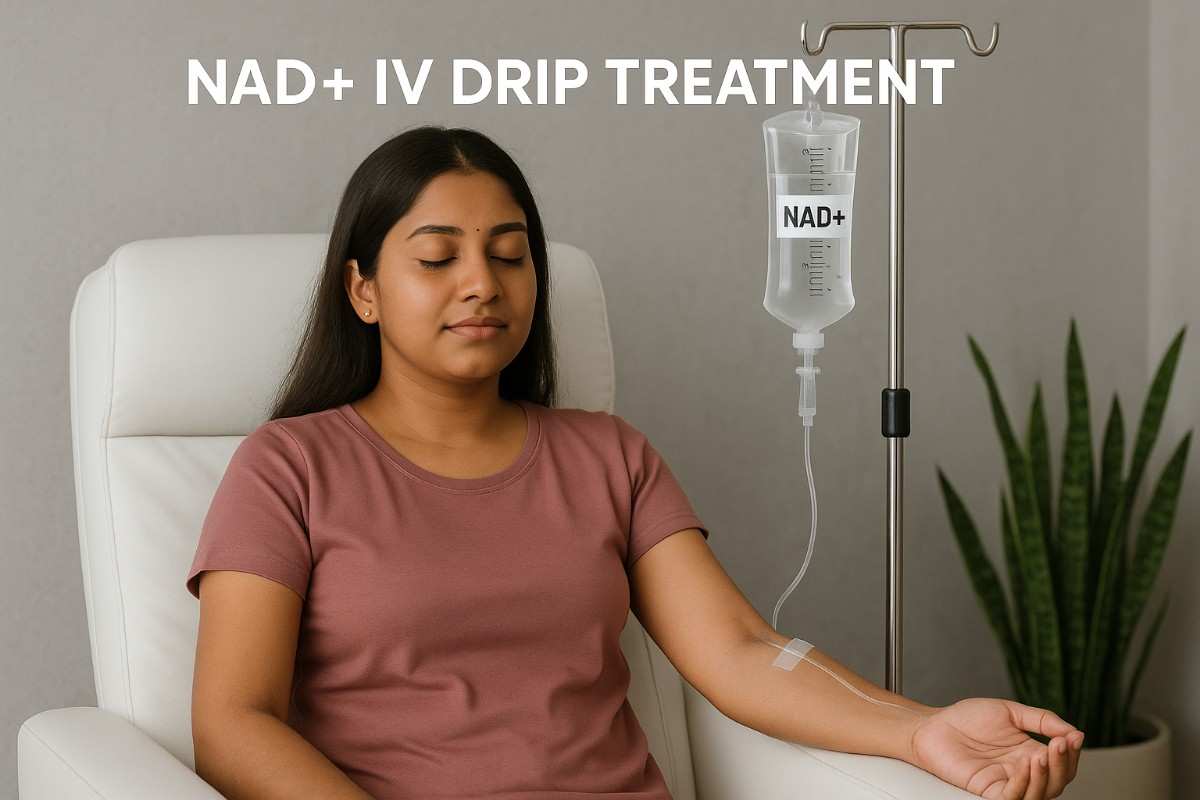
NAD+ IV therapy for skin is a medically supervised infusion used to support cellular energy (ATP), mitochondrial function, DNA repair, and inflammation regulation — biological processes closely linked to skin aging and resilience. In India, including doctor-led clinics in Delhi such as The Face Clinic, NAD+ therapy is increasingly integrated into longevity-focused aesthetic medicine to complement skin boosters, lasers, and regenerative treatments.
This page focuses specifically on skin-related applications across India. For detailed clinical protocols, eligibility frameworks and safety structure, refer to our complete guide on NAD+ IV Therapy in Delhi.
Table of Contents
Why NAD+ Has Become Relevant for Skin Health
Skin aging is now understood as a cellular and metabolic process, not only a surface concern. Declining energy production, impaired DNA repair, oxidative stress, and chronic low-grade inflammation contribute to:
- Dull tone
- Reduced elasticity
- Textural changes
- Slower healing
- Increased sensitivity
- Accelerated visible aging
NAD+ (nicotinamide adenine dinucleotide) is essential for cellular metabolism and repair. As NAD+ levels decline with age, stress, poor sleep, illness, and environmental exposure, skin quality often deteriorates in parallel.
This is why NAD+ IV therapy for skin is explored in longevity medicine and regenerative aesthetics — not as a cosmetic shortcut, but as biological support for healthier skin function.
How NAD+ Works at the Cellular Level
Mitochondrial Energy (ATP Production)
NAD+ plays a central role in mitochondrial ATP production, influencing cellular turnover and tissue resilience.
DNA Repair & Cellular Stability
NAD+ is a co-factor for enzymes such as PARPs and sirtuins, involved in DNA repair. Efficient repair protects skin against UV-related and oxidative damage.
Inflammation Regulation
Chronic low-grade inflammation (“inflammaging”) contributes to pigmentation issues, acne flares, sensitivity and accelerated aging. NAD+ participates in pathways regulating inflammatory signalling.
Clinical Evidence Behind NAD+ and Skin Aging
While direct cosmetic outcome data for NAD+ IV therapy continues to evolve, the biological relevance of NAD+ to cellular aging and tissue repair is strongly supported in biomedical literature.
Key References
- NAD+ declines with age and influences cellular aging pathways:
Verdin E. NAD+ in aging, metabolism, and neurodegeneration. Cell Metabolism, 2015. - NAD+ is central to mitochondrial function and cellular repair mechanisms:
Rajman L. et al. Therapeutic potential of NAD-boosting molecules. Nature Reviews Drug Discovery, 2018. - NAD biology is a major focus of longevity research globally:
National Institute on Aging (USA) – NAD+ decline and aging overview. - Mitochondrial health and oxidative stress are fundamental drivers of skin aging:
Cleveland Clinic educational resources on cellular aging and mitochondrial health.
These sources place NAD+ within credible aging biology, not aesthetic marketing.
Who May Benefit from NAD+ IV Therapy for Skin
In clinical practice, NAD+ therapy for skin is commonly explored by individuals who:
- Experience premature skin aging
- Have persistent dullness despite good skincare
- Notice fatigue-related changes in appearance
- Undergo regular aesthetic treatments and want to support outcomes
- Have high-stress lifestyles affecting sleep and recovery
- Prefer doctor-led, long-term skin optimisation
At clinics such as The Face Clinic, Hauz Khas (South Delhi), eligibility and protocols are detailed on our authority guide:
→ NAD+ IV Therapy in Delhi
→ NAD+ IV Therapy in Delhi
Male vs Female Skin Considerations
In Male Skin
- Higher baseline sebum
- Greater exposure to stress and sleep disruption
- Often delayed engagement with skin care
- NAD+ is frequently positioned within performance + energy + skin optimisation
In Female Skin
- Hormonal transitions influence skin aging
- Perimenopause/menopause affect cellular repair
- NAD+ may be explored as part of longevity-focused skin strategies
Protocols remain individualised, not gender-based.

NAD+ IV Therapy vs Skin Boosters vs Skincare
Approach | Level of Action | Role |
|---|---|---|
Skincare | Epidermal | Protection and maintenance |
Skin boosters | Dermal | Hydration, texture, collagen support |
NAD+ IV therapy | Cellular/systemic | Supports energy, repair, resilience |
NAD+ therapy complements aesthetic treatments rather than replacing them.
How NAD+ Is Used in Doctor-Led Aesthetic Medicine
In reputable medical clinics, NAD+ IV therapy is integrated into broader frameworks such as:
- Pre-treatment optimisation before lasers or injectables
- Skin rejuvenation programmes
- Longevity and preventive aging protocols
- Post-illness recovery support
- Holistic energy + skin optimisation
At The Face Clinic, South Delhi, NAD+ therapy forms part of a structured, doctor-supervised IV therapy programmedetailed on:
→ IV Therapy
→ NAD+ IV Therapy in Delhi
→ IV Therapy
→ NAD+ IV Therapy in Delhi
Doctor-Led Process (How Responsible Clinics Use NAD+)
1. Clinical Assessment
Medical history, lifestyle, goals, suitability evaluation.
2. Individualised Protocol
Infusion schedule, approach and adjunct therapies determined clinically.
3. Monitoring & Adjustment
Supervision during infusion and refinement over time.
Realistic Expectations — What NAD+ Can and Cannot Do
What patients may notice gradually
- Improved vitality over weeks
- Subtle improvements in skin resilience
- Better recovery after procedures
- Reduced fatigue-related dullness
Micro-answer:
How long does NAD+ take to improve skin?
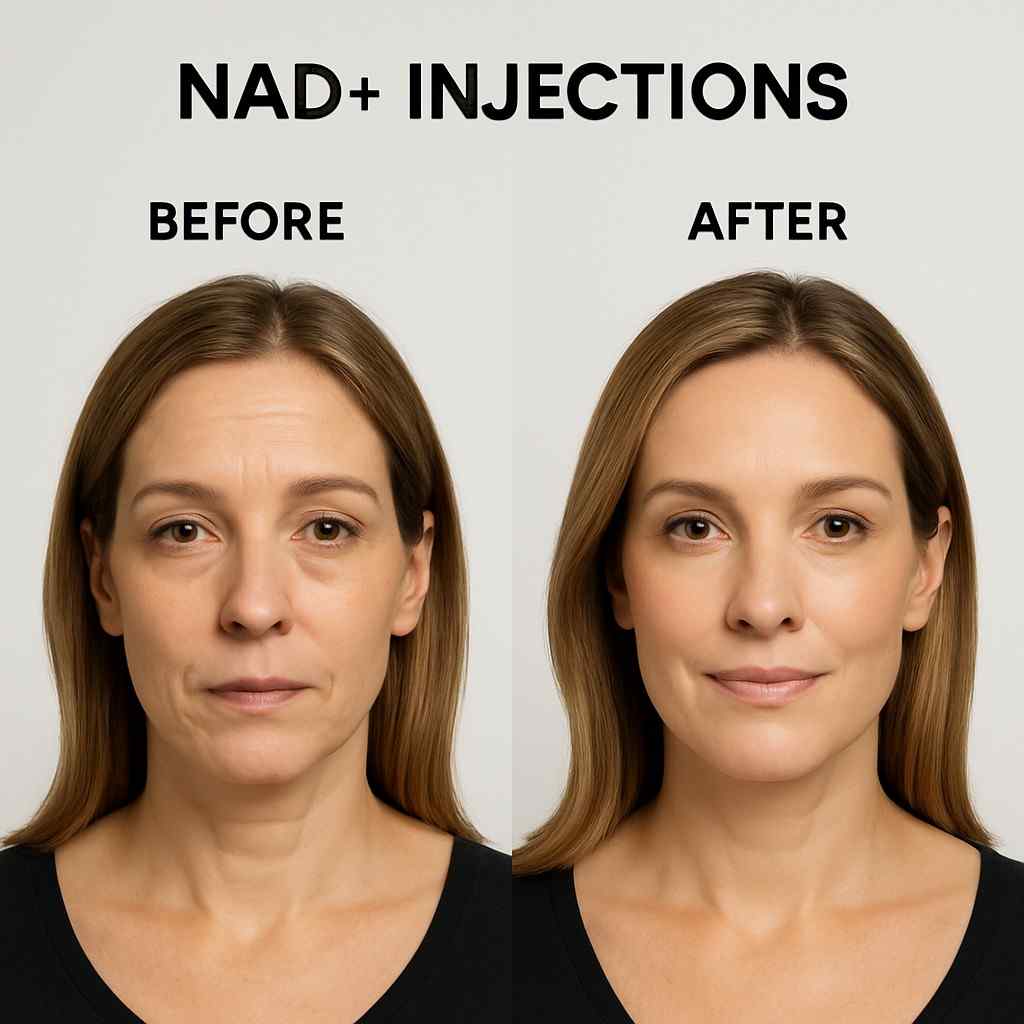
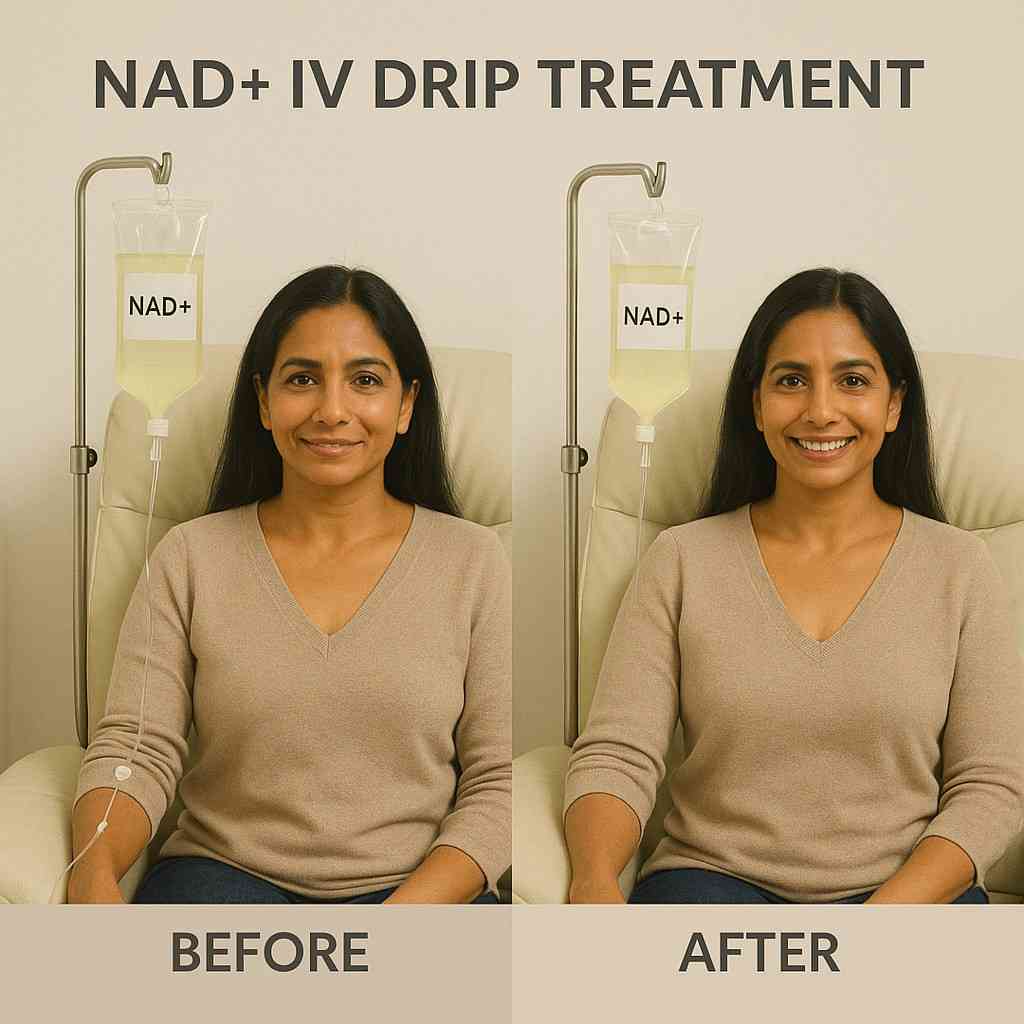
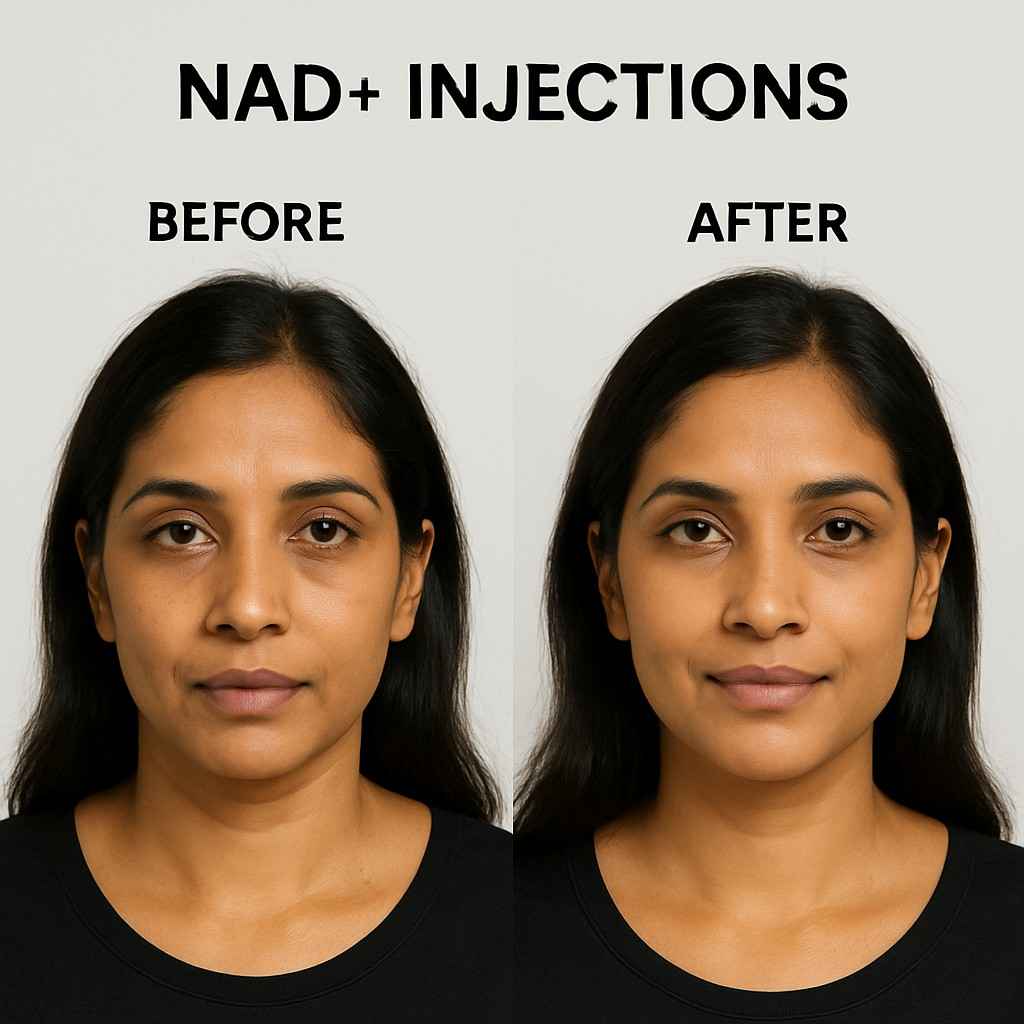
Any changes are usually subtle and gradual, noticed over several weeks rather than days.
What NAD+ will NOT do
- It does not act like a facial
- It does not replace injectables
- It does not erase wrinkles
- It does not produce overnight transformation
Who Should Avoid or Delay NAD+ IV Therapy
NAD+ therapy may be deferred or used cautiously in individuals who are:
- Pregnant or breastfeeding
- Experiencing unstable medical conditions
- Undergoing active systemic illness
- Unable to undergo IV therapy safely
This reinforces why clinical screening is essential.
Safety & Why Medical Supervision Matters
NAD+ IV therapy requires:
- Clinical evaluation
- Individualised dosing
- Controlled infusion rate
- Monitoring during administration
- Medical support if symptoms occur
Micro-answer:
Is oral NAD the same as IV therapy?
No. Oral supplements differ significantly in absorption and bioavailability compared to IV delivery under medical supervision.
FAQs — NAD+ IV Therapy for Skin
Q1. Is NAD+ IV therapy good for skin?
It may support skin health indirectly by supporting cellular energy, repair and resilience.
It may support skin health indirectly by supporting cellular energy, repair and resilience.
Q2. How long does NAD+ take to improve skin?
Any changes are usually gradual over weeks rather than immediate.
Any changes are usually gradual over weeks rather than immediate.
Q3. Can NAD+ replace skin boosters or injectables?
No. It supports cellular health but does not replace structural treatments.
No. It supports cellular health but does not replace structural treatments.
Q4. Is NAD+ IV therapy safe when doctor-led?
When delivered under medical supervision with appropriate protocols, it is generally well tolerated.
When delivered under medical supervision with appropriate protocols, it is generally well tolerated.
Q5. Is NAD+ IV therapy available in India and Delhi?
Yes, including in specialised doctor-led clinics such as The Face Clinic in Hauz Khas, South Delhi.
Yes, including in specialised doctor-led clinics such as The Face Clinic in Hauz Khas, South Delhi.
Q6. Are oral NAD supplements the same as IV therapy?
No. Oral supplements differ in absorption and bioavailability compared to IV administration.
No. Oral supplements differ in absorption and bioavailability compared to IV administration.
Explore NAD+ IV Therapy Under Medical Guidance
If you are considering NAD+ IV therapy for skin, energy or longevity, the safest approach is to begin with proper clinical evaluation rather than trend-based services.
Learn more through our detailed guides:
Medical Review & Transparency
Medically reviewed by: Dr Reema Arora, MBBS, MSc Facial Aesthetics (UK)
Founder & Director, The Face Clinic, Hauz Khas, South Delhi
Last updated: 2026
Founder & Director, The Face Clinic, Hauz Khas, South Delhi
Last updated: 2026
Disclaimer
This content is intended for educational purposes and does not replace personalised medical advice. Suitability and protocols vary between individuals and should always be determined through consultation with a qualified medical professional.